
recover & regrow
Hair loss treatment
Also called: hair thinning treatment, scalp treatment, hair regeneration.
Hair restoration at Dr Munroe Clinic focuses on both the scalp and the follicle, using polynucleotides (Plinest Hair) and exosomes (Purasomes) following microneedling. Treatment may suit genetic thinning, post-partum (post-pregnancy) hair loss, stress or illness-related shedding, finer hair and thinning eyebrows. Blood tests are recommended first to identify correctable causes such as deficiencies. Results build gradually over a course rather than after a single treatment.


what it treats.
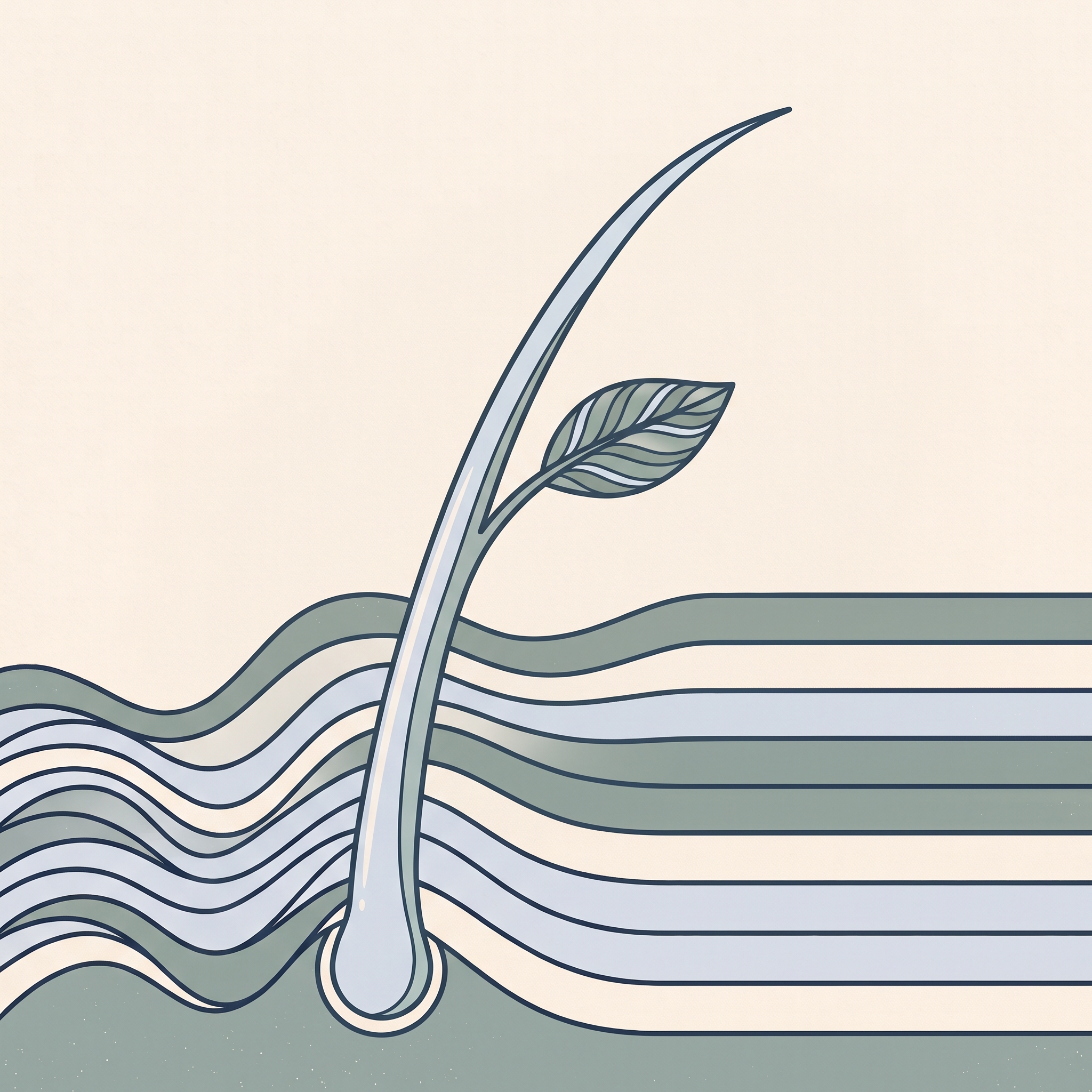
Hair grows in cycles, and thinning occurs when more follicles enter the resting phase, or when the follicles themselves become smaller.
Shedding after a physical or emotional stressor (telogen effluvium) will often improve once the trigger has passed. Hereditary thinning (androgenetic hair loss) is different, and treatment focuses on preserving existing hair and supporting regrowth where possible.
Scalp treatments aim to support the follicle environment and the signals involved in healthy hair growth.
what it doesn't treat.
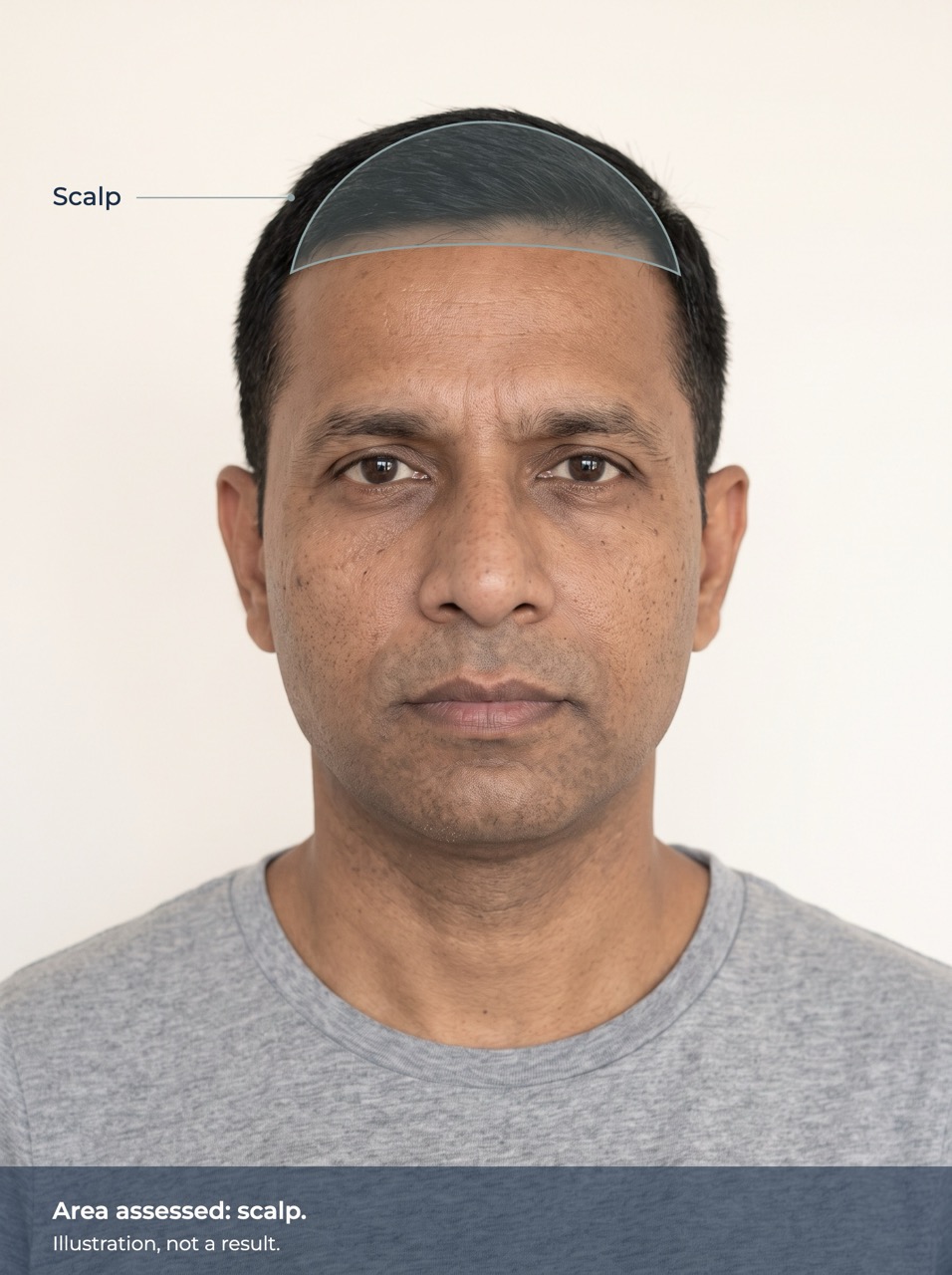
Scalp treatments support the follicles that remain, so they will not restore hair where the follicle has been lost completely, such as in a fully bald area. Where a deficiency is contributing, correcting the deficiency is the treatment, and establishing the type of hair loss is always the first step.
the assessment.
Ferritin, vitamin D, thyroid function, B12 and zinc can all contribute to hair shedding when levels are low, and sometimes correcting the underlying deficiency is the treatment.
These blood tests are recommended before starting and can be arranged through your GP or through the clinic. Results are reviewed alongside the pattern of hair loss, whether that is a widening parting, a receding hairline, diffuse thinning or distinct patches, as different patterns can point to different causes.
This assessment also helps determine whether a combination approach is likely to be more appropriate than a single treatment. The full reasoning is covered in the Journal guide to hair health and recovery.
what happens on the day.
Following consultation, including reviewing your in-depth medical history and consent, photographs of the scalp and hairline are taken for the clinical record.
Polynucleotides are delivered through a series of small injections across areas of thinning and take around 30 minutes.
For exosomes (Purasomes), the scalp is treated with microneedling before the exosomes are applied. Treatment takes around 45 minutes.
Wash your hair around 24 hours before your appointment. The scalp can be sensitive during treatment, so some people choose to take paracetamol beforehand (avoid aspirin or ibuprofen, which can increase bruising).
recovery.
Small injection marks or mild redness may be visible for a day. Avoid washing your hair for 24 hours after treatment, as well as harsh chemical treatments or tight hairstyles in the days either side.
There is minimal downtime and most people return straight to their day.
results.
Hair growth is slow. A minimum of around three months is usually needed before improvement becomes noticeable, with results continuing to develop over six to twelve months.
Polynucleotides are injected as a course of treatment, typically every two weeks for the first four sessions, then every three weeks for the next four.
Exosomes (Purasomes HSC50+) are applied to the scalp with microneedling, usually as a course of four to six treatments around four to six weeks apart. Early changes may be seen sooner with this treatment.
Combination programmes can also be used and are often recommended.
Response varies depending on the cause of hair loss, and untreated deficiencies can limit results. The best results come with patience and commitment.
who it isn't for.
Treatment is not suitable during pregnancy or breastfeeding, as it has not been studied in these groups, or where there is active scalp infection. Certain patterns of hair loss, including scarring or patchy alopecia, may require further assessment before treatment is considered.
Fish allergy is discussed individually before treatment with Plinest Hair.
price.
Prices are available on the price list.
common questions.
Do I need blood tests?
Blood tests are recommended before starting treatment, as correcting a deficiency can sometimes resolve shedding without further treatment. They can be arranged through your GP or through the clinic.
Polynucleotides or exosomes?
Polynucleotides (Plinest Hair) are often used for follicle health and hereditary thinning, and exosomes (Purasomes) with microneedling to support the scalp environment. The two are often combined, and the plan is set once the blood test results have been reviewed.
What about medication?
There are medication options for hair loss, some of them prescription-only, which can be discussed at consultation or with your GP.
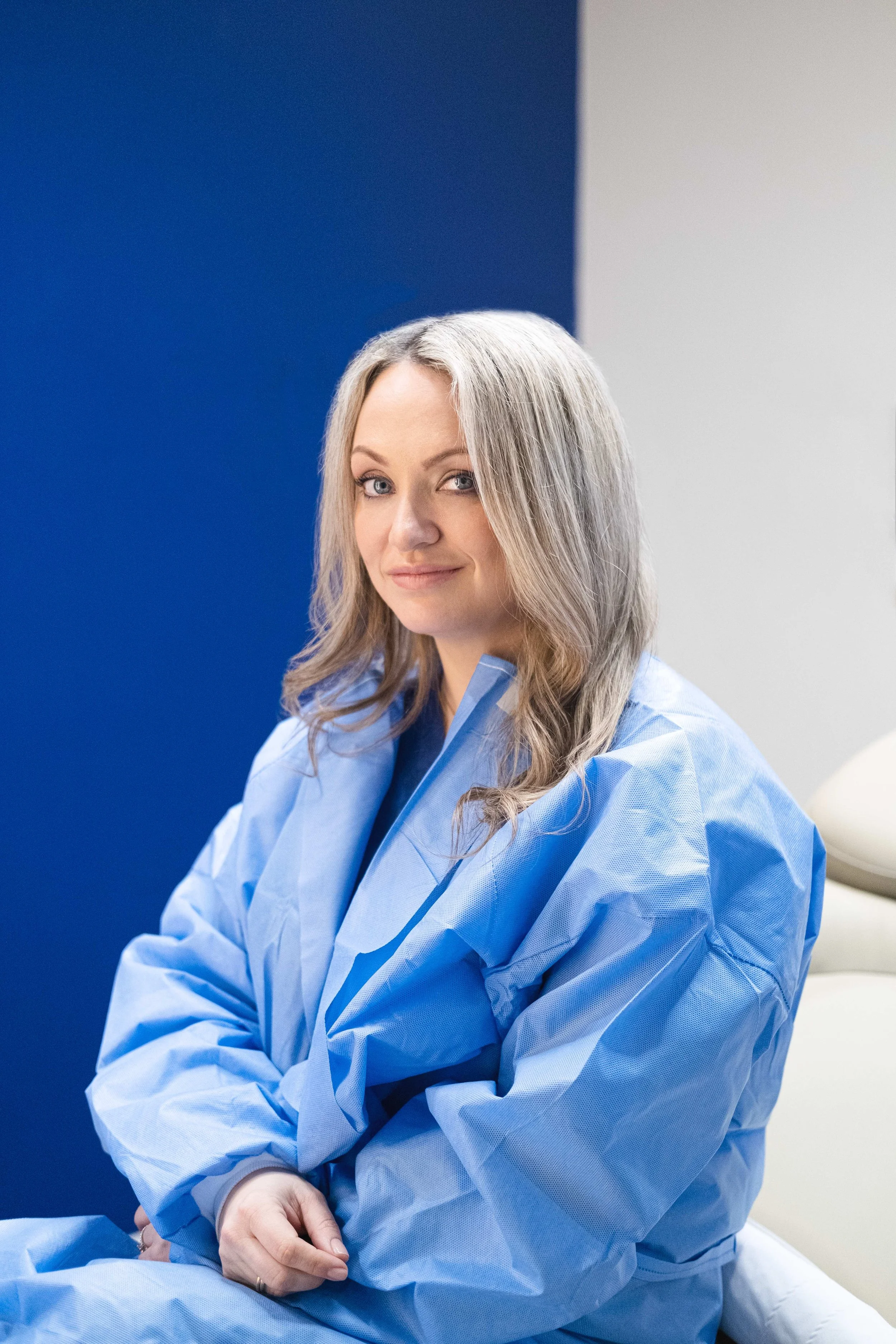
Clinically reviewed by Dr Tiffany Munroe, MBBS MRCS, GMC 7293952.
Last reviewed October 3, 2026. Next review October 3, 2027.
About Dr Munroe