refresh & relax
Excessive sweating
Also called: hyperhidrosis treatment, underarm sweating injections.
Excessive sweating, or hyperhidrosis, is sweating beyond what the body needs to stay cool, often enough to mark clothes and affect what you wear and do. Treatment at Dr Munroe Clinic uses small injections into the skin of the underarms to relax the nerve signals that activate the sweat glands. Sweating usually reduces within a few days, the full effect is reached by two weeks, and for most people it lasts around six months, often longer with repeat treatment.

what it treats.
The sweat glands in the underarm are controlled by nerves, and in primary hyperhidrosis these nerves are overactive, so the glands produce more sweat than temperature or activity requires. A series of small, shallow injections across the area that sweats relaxes the signal from nerve to gland, so far less sweat is produced while the effect lasts. The glands are not removed or damaged, and the effect wears off gradually as the nerve endings recover.
Treatment may suit primary underarm sweating, which typically begins in childhood or the teenage years, affects both sides equally, occurs during the day rather than at night, and sometimes runs in families.

The medicine used is prescription-only, which is why it is not named or priced on this page. It is discussed, prescribed and priced at consultation. Why we can’t name it: the law on advertising
what it doesn't treat.
Sweating with another underlying cause needs to be investigated first. Sweating that began in adulthood, affects the whole body, happens at night, affects one side only, or comes with weight loss, fever, palpitations or a change in medication should be assessed by your GP before any treatment. These questions are asked at consultation, and where the pattern suggests a medical cause, a referral is made rather than treatment.
Treatment reduces sweat rather than odour, although many people notice less odour once the area is drier. Sweating of the hands and feet is not treated at Dr Munroe Clinic.
Many people try these approaches first, and some find them sufficient:
- Clinical-strength antiperspirants: aluminium chloride products applied at night to dry skin, available from a pharmacy.
- Prescription treatments: tablets and creams that reduce sweating across the body, discussed with your GP.
- Iontophoresis: a mild electrical current passed through water, used mainly for the hands and feet.
- Surgery: rarely, and as a last resort, through a specialist surgeon. Not offered at Dr Munroe Clinic.
the assessment.
The first step is confirming that this is primary hyperhidrosis, which is why a full history is taken before anything else. The second is identifying exactly where the sweating occurs, as the overactive area is often smaller or a different shape from the hair-bearing area. A simple starch and iodine test maps the area that sweats, so that treatment is placed where it is needed.
what happens on the day.
Please do not shave your underarms for 24 hours before your appointment, and come without deodorant or antiperspirant.
Following consultation, your concerns are discussed, the risks and side effects are explained and consent is taken before any treatment. Photographs are taken for the clinical record, the sweating area is mapped and marked, and numbing cream is applied. The injections are small and numerous, spaced across the marked area, and take around 20 minutes for both sides. You can return to work straight afterwards.
The consultation is a separate appointment, redeemable against treatment. It often runs straight into treatment, which is why appointments are booked for up to 60 minutes.
recovery.
Small raised marks at the injection points usually settle within an hour or two, and the underarms can feel slightly tender for a day. Some people bruise and others do not, and this cannot be predicted in advance.
For 24 hours, avoid deodorant or antiperspirant on the area, saunas, hot baths and strenuous exercise.
There is minimal downtime and most people return straight to their day. Every treatment carries risks, and these are discussed with you before treatment.
results.
Sweating usually reduces within two to four days, and the full effect is reached by two weeks, when it can be reviewed. For most people the effect lasts around six months; for some it is shorter, and many find it lasts longer with repeat treatment. When it wears off, sweating tends to return over a short period rather than gradually, so it is worth booking the next treatment once you first notice it returning.
who it isn't for.
Treatment is not suitable during pregnancy or breastfeeding, for people with neuromuscular conditions such as myasthenia gravis, or where there is infection or broken skin at the site. It is also not appropriate where sweating may have a medical cause that has not yet been investigated. Some medications, including certain antibiotics and blood thinners, are discussed individually.
price.
The price is discussed at consultation, along with the medicine used and why it has been recommended.
common questions.
Is it safe to reduce sweating under the arms?
Yes. The underarms produce only a small share of the body's sweat, and temperature control continues through the skin everywhere else.
How often is treatment needed?
Most people return once or twice a year, and many find the interval lengthens after the first few treatments.
Should I see my GP first?
If your sweating began in adulthood, affects your whole body, happens at night or comes with other symptoms, it is best to see your GP first. If it has been present since your teens and is limited to the underarms, it is reasonable to book a consultation, where the same questions are asked.
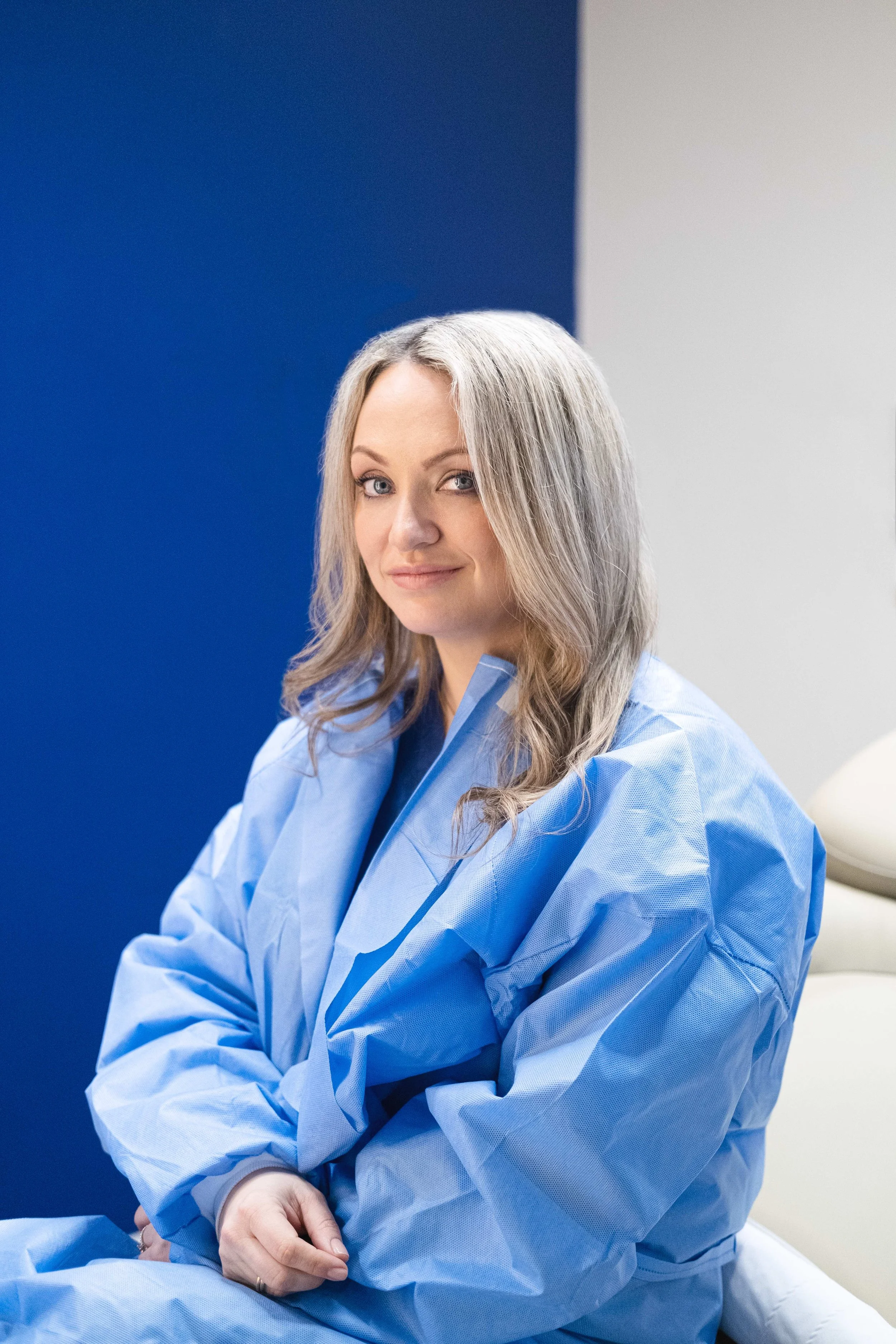
Clinically reviewed by Dr Tiffany Munroe, MBBS MRCS, GMC 7293952.
Last reviewed September 29, 2026. Next review September 29, 2027.
About Dr Munroe